
Checked on 6 November 2026.
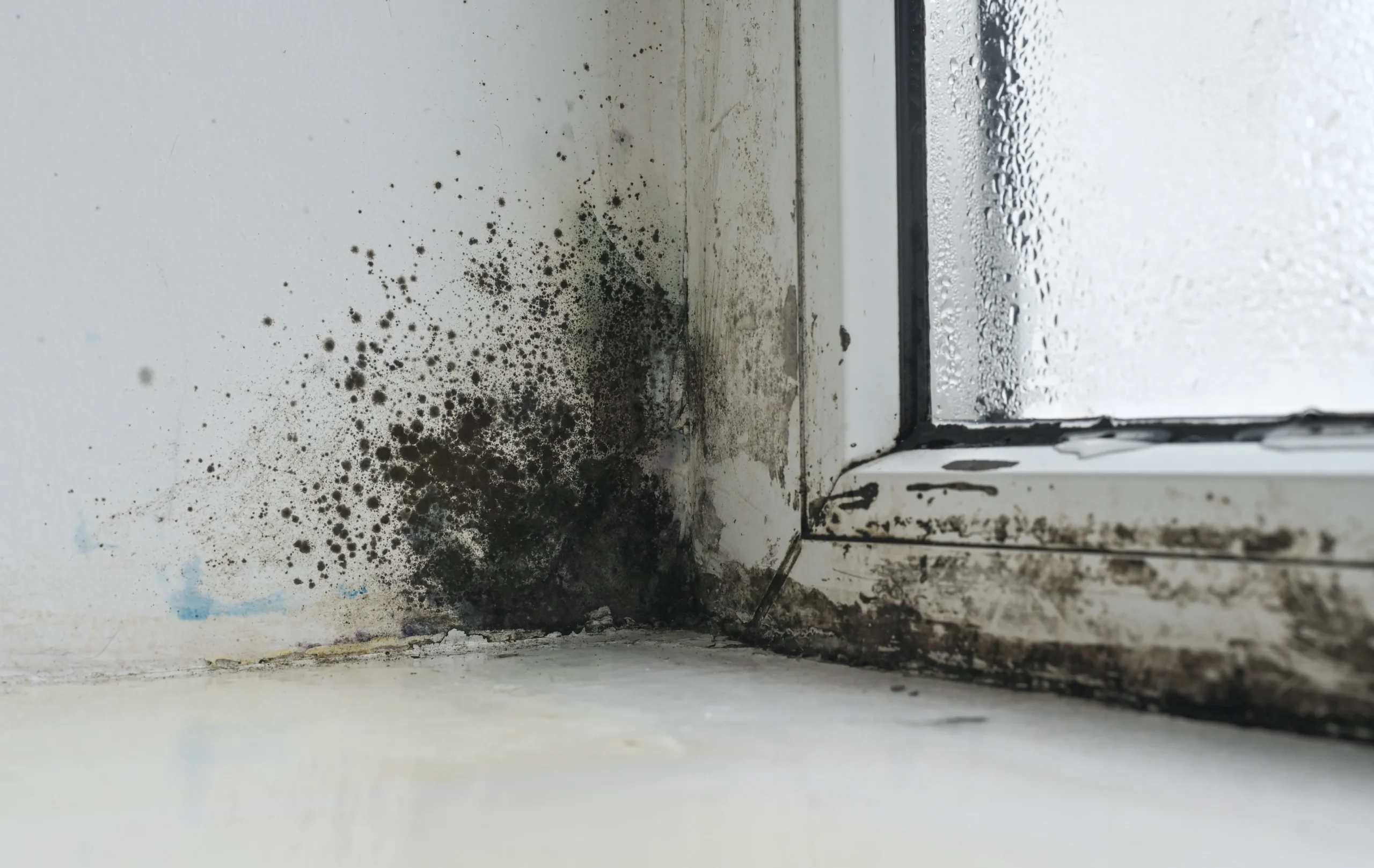
Awaab’s Law was introduced following the death of two-year-old Awaab Ishak after exposure to mould in his home. It sets deadlines for responding to serious housing hazards. For property investors in England, the distinction is between the deadlines already in force for social landlords and the separate rules being developed for private rentals.
What applies in social housing today?
Phase 1 took effect on 27 October 2025. Social landlords must generally investigate a potential emergency hazard and make the home safe within 24 hours of becoming aware of it. They must investigate potential significant damp and mould hazards within 10 working days. If the investigation confirms a significant hazard, the landlord generally has five working days from the end of the investigation to complete the work needed to make the home safe.
Making a home safe may be an immediate step while work to prevent the hazard returning is organised. The rules also cover written updates and suitable alternative accommodation where the home cannot be made safe in time. Phase 2 is scheduled for 30 November 2026 and brings additional significant hazards into scope, including excess cold, falls and electrical hazards. See the government’s guidance on Awaab’s Law in social housing for the full requirements. For a contractor’s perspective on inspection and remediation, see Restorations UK’s 2026 guide for social landlords.
What should private landlords expect?
The Renters’ Rights Act 2025 provides for extending Awaab’s Law to private rented tenancies in England. The detailed private-sector requirements and start date are still being worked out. The government consultation on the extension closes on 18 December 2026. The consultation identifies 2027 as the earliest feasible implementation year, with timing still to be determined.
Private landlords already have duties relating to repairs and fitness for human habitation. Respond promptly to reports of damp or mould, assess how urgent the situation is and arrange an inspection and repairs where needed. See the government’s private renting repairs guidance.
Check who acts when a tenant reports a hazard
Give tenants a clear reporting route, including an out-of-hours contact. Agree with your letting agent who records the first report, assesses urgency, arranges access and authorises work. If a managing agent or freeholder is responsible for a common part of the building, record who will contact them and how the job will be escalated if it stalls.
Keep a record of when the issue was reported, what the inspection found, what was done to make the property safe and how the root cause was addressed. Investors buying an occupied property can ask for the repair history and details of open complaints during due diligence. Those records help reveal whether a recurring issue has been resolved or needs to be reflected in the purchase and refurbishment budget.