
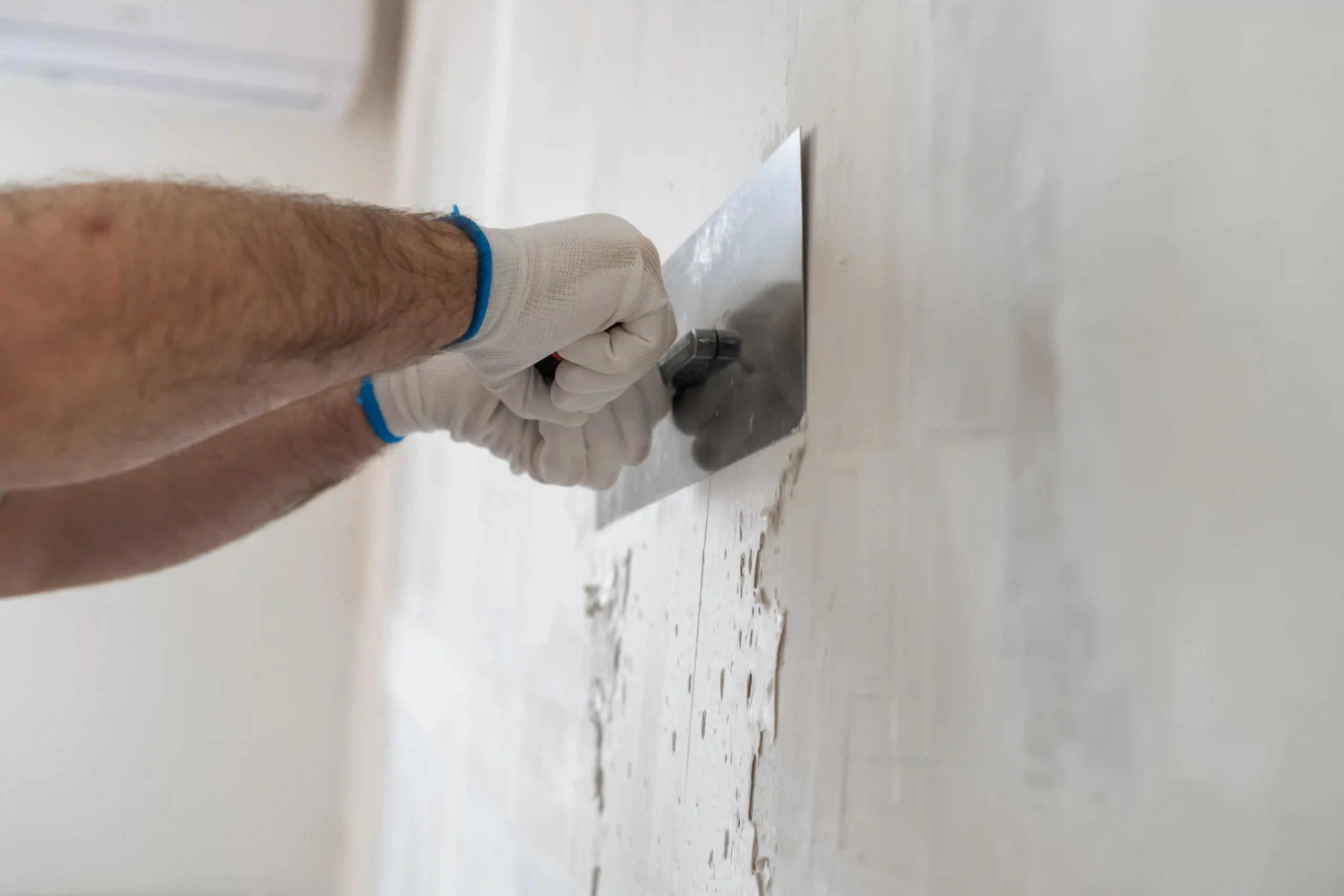
The plaster is on, the flooring is booked and the letting agent wants a handover date. One question can decide whether that timetable holds. Are the materials dry enough for the next trade? Fresh plaster and screed introduce moisture, and a room can feel dry while the substrate is still too wet for the specified finish.
Plan drying alongside the wet trades
Ask the contractor to identify which materials need to cure, when controlled drying can begin and what readings the flooring, paint or adhesive manufacturer requires. Some products need an initial curing period before forced drying. Build that window into the programme and confirm who will take the final readings. If damp persists or is concentrated in an unexpected area, investigate a leak or water ingress before treating it as residual construction moisture.
Choose equipment for the conditions on site
Modern commercial dehumidifiers give refurbishment teams several options. Low-grain refrigerant units cool the air to collect water and can be useful where the temperature suits refrigerant operation. Desiccant units use a moisture-absorbing material and can be useful in cooler conditions. Air movers help circulate air across surfaces, but the drying plan still needs a way to remove moisture from the space. Position equipment and manage ventilation as part of one plan.
For examples of equipment used on refurbishment jobs, see Swift Drying’s drying solutions. Before hiring, tell the supplier what you are drying, the approximate area and temperature, and what power, drainage and access are available. Ask how condensate or moist exhaust air will be handled and who will monitor the equipment.
Make the next trade’s start date conditional on readings
Track room temperature and relative humidity to see whether conditions are improving. Use a test appropriate to the substrate to determine whether it is ready for the finish. The flooring installer, for example, should use the method and acceptance limit specified for the screed and floor system. Record where and when readings were taken, then ask the installer to confirm they are satisfied before work starts.
Budget for drying equipment, power and monitoring while the property is empty. Agree a provisional letting date with the agent and confirm it once the relevant checks are complete. That gives you a clearer handover and reduces the chance of paying to lift and replace a finish that went down too soon.